
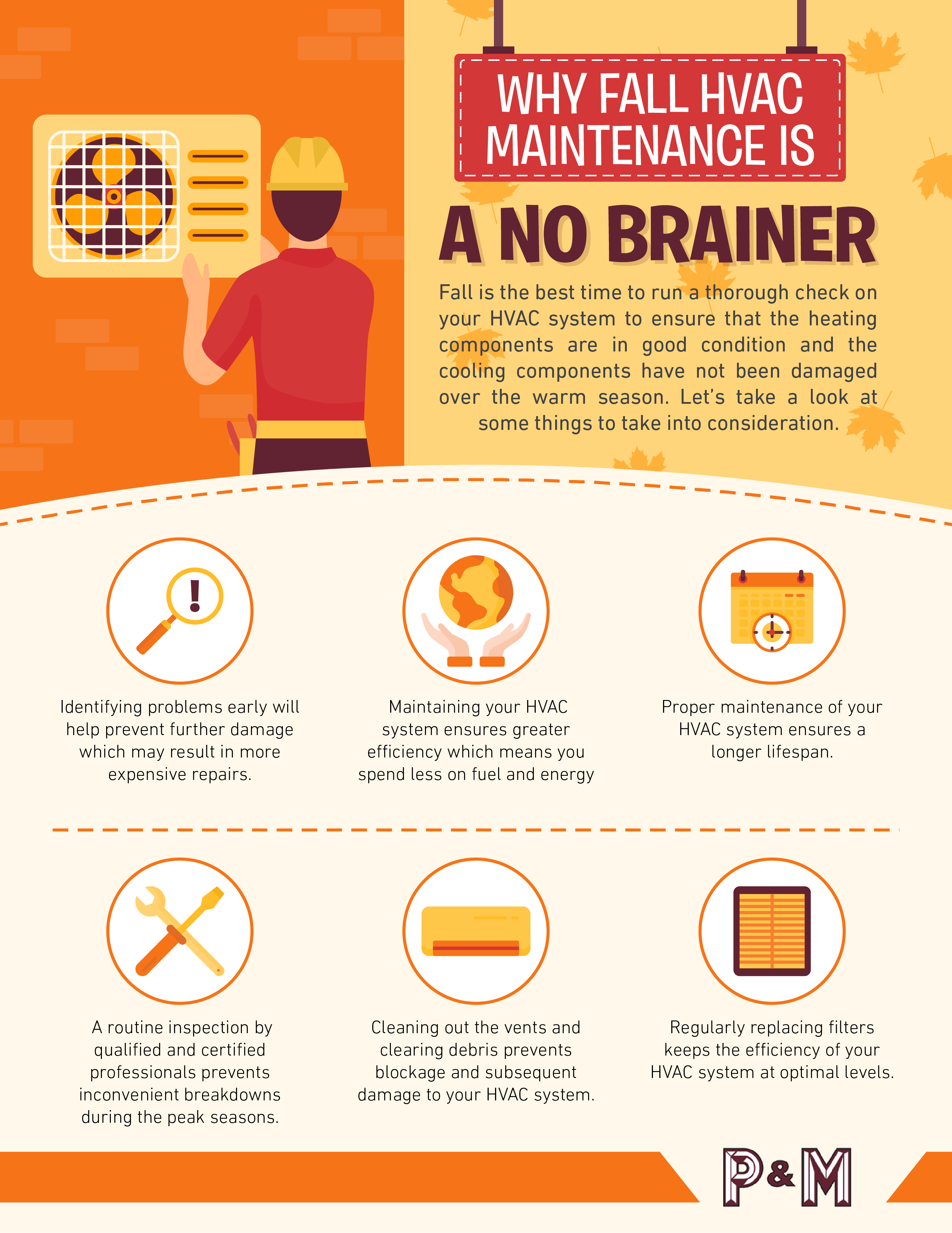

Why December is the Best Time for Heating System Installation in Friendswood, TX
Have you ever noticed how the temperatures in Friendswood, TX, can feel unpredictable in December? One day it might be mild and sunny, and the next, a chilly front makes you reach for your winter coat. If you’re a homeowner in Friendswood, this season is the perfect time to think about your heating system. But why is December such an ideal month for heating system installation? Let’s explore the reasons and how planning now can make your winter comfortable and stress-free.
Understanding Friendswood’s December Weather
December in Friendswood is a transition month, where the lingering warmth of fall meets the cooler winter temperatures. Average highs are typically in the mid-60s to low 70s Fahrenheit, while nighttime lows can dip into the 40s. On some days, cold fronts bring temperatures even lower, making reliable heating essential.
The unpredictable weather during this time can put extra strain on older or inefficient heating systems. By installing a new heating system in December, homeowners can ensure that their homes remain warm and comfortable throughout the colder months, rather than waiting until an emergency strikes.
The Benefits of Installing a Heating System in December
Avoid the Winter Rush
One of the biggest advantages of scheduling a heating system installation in December is avoiding the rush that occurs when temperatures drop further. Many homeowners wait until January or February to replace or install heating systems, which can lead to longer wait times for installation and service appointments.
By planning ahead in December, you have access to more flexible scheduling options, quicker installation times, and potentially better customer service since HVAC professionals are not yet at peak winter demand.
Improved Energy Efficiency
Newer heating systems are designed to be more energy-efficient than older models. According to the U.S. Department of Energy, modern furnaces and heat pumps can reduce energy consumption by 20% to 30% compared to older units (source).
Installing a new system in December ensures that your home operates efficiently during the coldest months. This not only helps maintain consistent indoor temperatures but can also lower your energy bills. Efficient systems distribute heat evenly, which prevents hot and cold spots and makes your home more comfortable overall.
Avoid Emergency Repairs
Older heating systems are prone to breakdowns, especially during periods of heavy use. Waiting until your system fails in the middle of a cold snap can be stressful and costly.
Installing a new system in December eliminates the risk of unexpected breakdowns and ensures your home stays warm when you need it most. It also gives homeowners peace of mind knowing that their system is reliable and ready to handle winter weather.
Types of Heating Systems Available for Installation
When considering a heating system installation, it’s important to know the different types of systems available and which might be the best fit for your Friendswood home.
Furnaces
Furnaces are one of the most common heating systems in Texas homes. They use natural gas, electricity, or propane to heat air, which is then distributed throughout your home via ducts. Modern furnaces are highly efficient and can quickly heat large spaces, making them ideal for families or homes with multiple rooms.
Heat Pumps
Heat pumps are versatile systems that provide both heating and cooling. They work by transferring heat between your home and the outside air. In mild climates like Friendswood, heat pumps can be very efficient and offer significant energy savings.
Boilers
Boilers heat water and then circulate it as hot water or steam to radiators or underfloor heating systems. While less common in Texas homes, they can provide consistent, quiet, and comfortable heat for specific home layouts.
Consider Your Home’s Needs
Choosing the right system depends on your home’s size, insulation, and existing infrastructure. A professional HVAC contractor can assess your home and recommend the system that offers the best combination of comfort, efficiency, and long-term reliability.
Signs You Need a Heating System Installation
Recognizing when it’s time to replace or install a new heating system can save you from inconvenient breakdowns and high energy bills. Here are some signs to watch for:
-
Frequent Repairs: If your heating system requires regular maintenance or repair, it may be more cost-effective to replace it.
-
Inconsistent Heating: Rooms that are too hot or too cold may indicate that your system is no longer functioning properly.
-
Rising Energy Bills: A sudden increase in energy costs can signal that your system is working harder than it should be.
-
Strange Noises: Unusual sounds, such as banging or squealing, often indicate that parts are wearing out.
-
Age of System: Most heating systems last 15–20 years. If your system is older, it may be time for an upgrade.
Preparing for Heating System Installation
Schedule a Professional Assessment
Before installing a new system, schedule a professional assessment to determine the best option for your home. A qualified HVAC technician will evaluate your home’s layout, insulation, and current system to recommend the most efficient solution.
Consider System Size and Capacity
Choosing the right size system is crucial. A unit that is too small will struggle to heat your home, while a unit that is too large may cycle on and off too frequently, reducing efficiency. A professional can perform a load calculation to ensure your new system is appropriately sized.
Plan for Installation Timing
December is ideal for installation, but it’s still important to plan ahead. Avoiding last-minute scheduling ensures your system is installed and tested before any significant cold fronts arrive.
Tips for Maximizing Your Heating System’s Performance
Once your new system is installed, there are several steps you can take to optimize its performance:
-
Regular Maintenance: Schedule annual maintenance to keep your system running efficiently.
-
Change Air Filters: Replace filters every 1–3 months to improve airflow and air quality.
-
Seal Leaks: Ensure windows and doors are properly sealed to prevent heat loss.
-
Programmable Thermostat: Use a programmable thermostat to control temperatures and save energy.
These simple steps help maintain comfort, reduce energy costs, and extend the life of your heating system.
Cost Considerations Without the Stress
While pricing varies based on system type and home size, planning a December installation allows homeowners to budget without the stress of emergency repairs. Replacing a system proactively can prevent unexpected expenses and keep your home safe and warm during the coldest months.
Energy Savings and Environmental Benefits
Modern heating systems not only save money but also reduce your carbon footprint. Energy-efficient furnaces and heat pumps use less fuel or electricity to maintain comfortable temperatures, reducing greenhouse gas emissions. By installing a new system now, you contribute to both financial and environmental benefits.
Common Misconceptions About December Installations
Some homeowners hesitate to install a heating system in December, thinking it’s too cold or inconvenient. However, with proper planning and a professional HVAC team, installation can be seamless. In fact, the mild winter weather in Friendswood often makes December one of the easiest months to schedule and complete installations without extreme heat or cold interfering.
Another misconception is that installation must wait until peak winter months. In reality, acting early ensures your home is ready for the entire season and avoids the stress of last-minute service calls.
The Importance of Professional Installation
Professional installation is crucial for system efficiency, safety, and longevity. Trained technicians ensure that:
-
The system is properly sized for your home.
-
All components are installed correctly.
-
Ductwork and vents are sealed and optimized.
-
Safety protocols, such as proper ventilation for gas systems, are followed.
Attempting a DIY installation or hiring an unlicensed contractor can lead to problems, including reduced efficiency, higher energy bills, and even safety hazards.
Preparing Your Home for the New Heating System
Before installation, there are a few steps homeowners can take to prepare:
-
Clear the area around your current system for easy access.
-
Make a note of any existing issues, such as airflow problems or unusual noises.
-
Communicate any special needs or concerns with your HVAC technician.
Being proactive helps ensure a smooth installation process and sets your system up for optimal performance.
How December Installation Supports Year-Round Comfort
Installing a heating system in December not only ensures warmth during the cold months but also sets the stage for long-term home comfort. Modern systems are designed for durability, reliability, and compatibility with smart thermostats and other home automation features. By taking action now, you’re investing in comfort for the entire year.
Additional Benefits for Friendswood Homeowners
December installation in Friendswood offers unique local advantages:
-
Mild Weather: Easier access to outdoor units and equipment.
-
Flexible Scheduling: HVAC companies are less busy than during peak winter months.
-
Immediate Comfort: Avoid the chill and uncertainty of colder January or February temperatures.
These benefits make December a strategic choice for both practical and convenience reasons.
For Heating System Installation in Friendswood, TX, Contact P&M Air Conditioning & Heating Today
If you’re a homeowner in Friendswood, TX, now is the perfect time to ensure your home stays warm and comfortable. At P&M Air Conditioning & Heating, we specialize in professional heating system installation that meets your home’s unique needs. Our team is dedicated to providing reliable, efficient, and high-quality service, helping you avoid emergency repairs and enjoy year-round comfort.
Don’t wait until a cold snap catches you off guard. Contact P&M Air Conditioning & Heating today to schedule a consultation and take the first step toward a warm and worry-free winter. Our experienced technicians are ready to guide you through the process, from selecting the right system to ensuring a flawless installation.

How AC Replacement Can Help Improve Your Indoor Air Quality in West University, TX
Have you ever noticed that your home feels stuffy, even when your air conditioner is running? Or maybe you’ve experienced more frequent allergy symptoms indoors than usual. If so, the culprit may not be outside air pollution but the quality of the air circulating through your home. In West University, TX, where the summers are hot and humid and November brings cooler, sometimes damp weather, maintaining clean indoor air is essential for comfort and health. One of the most effective ways to improve your indoor air quality is through timely AC replacement.
Replacing an aging or inefficient air conditioning system does more than just cool your home. It can have a direct and measurable impact on the air you breathe every day. In this blog, we’ll explore the connection between AC replacement and indoor air quality, discuss common problems with older systems, and provide practical tips for homeowners in West University to ensure their homes remain healthy and comfortable.
Why Indoor Air Quality Matters in West University Homes
Indoor air quality (IAQ) refers to the cleanliness and safety of the air inside your home. Poor IAQ can contribute to a range of health problems, including:
-
Allergies and asthma flare-ups
-
Respiratory infections
-
Headaches and fatigue
-
Irritation of the eyes, nose, or throat
Homes in West University often face unique challenges due to the local climate. High humidity levels in the warmer months can encourage mold growth, while the seasonal transition in November can bring fluctuating moisture levels. When your AC system struggles to filter and dehumidify the air properly, pollutants like dust, pollen, and mold spores can circulate freely throughout your living spaces.
According to the Environmental Protection Agency (EPA), indoor air can be two to five times more polluted than outdoor air, and in some cases, even higher. Ensuring your AC system is functioning efficiently is critical to maintaining a healthy indoor environment.
How Aging AC Systems Affect Indoor Air Quality
Older air conditioning units may still cool your home, but they often do so at the expense of air quality. Some common problems include:
Inefficient Air Filtration
Most AC systems rely on air filters to trap dust, pollen, pet dander, and other particles. Over time, filters can become clogged or may be of low quality, allowing contaminants to circulate through your home.
Accumulation of Dust and Mold
Older AC units can develop hidden dust buildup or moisture accumulation, creating a breeding ground for mold and bacteria. This is especially problematic in West University, where humidity can be high. Mold spores in the air can trigger allergies, respiratory issues, and even damage to your home’s interior.
Reduced Airflow
Wear and tear on older AC components, such as the blower fan or ductwork, can restrict airflow. Poor airflow not only makes your system less efficient at cooling your home but also limits the circulation of filtered air, leaving pollutants lingering in your living spaces.
Energy Inefficiency
A system that struggles to maintain a consistent temperature may run longer and harder, circulating air through dirty filters and ducts repeatedly. This repeated circulation can exacerbate indoor air quality issues.
Benefits of AC Replacement for Indoor Air Quality
Replacing an outdated AC system with a modern, efficient unit can address many of the problems associated with poor indoor air quality.
Improved Filtration Technology
Newer AC systems often include advanced air filters capable of capturing smaller particles, including pollen, dust mites, and even some bacteria. High-efficiency filters help ensure that the air circulating through your home is cleaner and healthier.
Enhanced Humidity Control
Modern air conditioning units are designed to manage indoor humidity levels more effectively. By reducing excess moisture, you can prevent mold growth and discourage dust mites, creating a more comfortable and sanitary living environment.
Cleaner Ductwork
When installing a new AC system, technicians often inspect and clean the ductwork. Clean ducts help prevent the spread of dust, allergens, and mold throughout your home, ensuring that the new system delivers fresh, clean air.
Energy Efficiency and Consistent Airflow
A new AC system runs more efficiently, maintaining consistent airflow and temperature while using less energy. This consistent circulation helps remove airborne contaminants more effectively and reduces stress on your system.
Signs You May Need AC Replacement in West University
If you’re wondering whether it’s time to replace your AC system, look for these common signs:
-
Your AC is over 10–15 years old
-
Frequent breakdowns or costly repairs
-
Uneven cooling in different areas of your home
-
Rising energy bills despite similar usage
-
Noticeable dust accumulation or poor air quality
Ignoring these signs can lead to worsening indoor air quality and higher repair costs over time. By addressing the problem early, you can protect both your health and your investment in your home.
Choosing the Right AC System for Your Home
Not all air conditioning systems are created equal. When selecting a replacement unit, consider the following factors to maximize indoor air quality:
Filter Type and Efficiency
Look for systems compatible with high-efficiency filters, such as HEPA or MERV-rated filters. These can capture smaller particles and improve overall air quality.
Proper Sizing
An AC system that is too large or too small for your home will not operate efficiently. A properly sized system ensures even airflow, better humidity control, and improved filtration.
Energy Efficiency
Modern systems with higher SEER (Seasonal Energy Efficiency Ratio) ratings not only save on energy costs but also maintain consistent airflow and temperature, which benefits indoor air quality.
Advanced Features
Some newer systems include features like UV light air purifiers, ionizers, or smart humidity controls, all of which can contribute to healthier indoor air.
Maintenance Tips to Preserve Indoor Air Quality
Once you’ve installed a new AC system, regular maintenance is key to keeping your indoor air healthy. Here are some actionable tips:
-
Replace filters regularly – Most filters should be changed every 1–3 months depending on usage and filter type.
-
Schedule professional inspections – Annual inspections help ensure your system is running efficiently and catch potential problems early.
-
Clean vents and ducts – Periodic duct cleaning can remove dust and debris that accumulate over time.
-
Monitor humidity levels – Keep indoor humidity between 30–50% to prevent mold growth and maintain comfort.
-
Keep the area around your AC clean – Dust and debris around the unit can be drawn into the system and circulated throughout your home.
Common Misconceptions About AC Replacement and Air Quality
There are a few myths homeowners often believe about AC replacement and indoor air quality:
-
Myth 1: Any AC system improves air quality
Not all systems are designed with filtration or humidity control in mind. Replacing an old system with a similar unit may not solve indoor air problems. -
Myth 2: AC maintenance alone is enough
While regular maintenance is important, it cannot fully address the limitations of an aging system. A replacement may be necessary for optimal air quality. -
Myth 3: Air purifiers alone fix the problem
Standalone air purifiers can help, but if your AC system is inefficient or ducts are dirty, they cannot compensate for poor airflow or excessive indoor pollutants.
The Long-Term Benefits of AC Replacement
Investing in a new AC system is not just about comfort; it’s about creating a healthier home environment for years to come. Benefits include:
-
Reduced exposure to allergens and pollutants
-
Lower risk of mold and mildew growth
-
Improved energy efficiency and lower utility bills
-
Enhanced comfort and consistent cooling
-
Peace of mind knowing your indoor air is cleaner and safer
Why West University Homeowners Trust Professional AC Replacement
Proper installation is critical to ensure your new AC system functions effectively and improves indoor air quality. Professional technicians provide:
-
Accurate sizing and system selection
-
Expert installation to avoid leaks and airflow issues
-
Inspection and cleaning of existing ductwork
-
Guidance on filter selection and maintenance
By relying on trained professionals, you can maximize the benefits of your investment and enjoy cleaner, healthier air in your home.
For AC Replacement in West University, Contact P&M Air Conditioning & Heating Today
When it comes to improving indoor air quality, replacing your old AC system is one of the most effective steps you can take. At P&M Air Conditioning & Heating, we understand the unique needs of homeowners in West University, TX. Our experienced team provides professional guidance, installation, and support to ensure your new AC system keeps your home comfortable and your air clean. Don’t wait until poor air quality affects your health and comfort. Contact P&M Air Conditioning & Heating today to schedule your consultation and take the first step toward a healthier home.

How Mini-Splits Handle Hot Days and Cool Nights in Pearland, TX
If you’ve ever spent a day in Pearland, TX, you know that the weather can be tricky. Scorching temperatures can linger during the day, making even a short walk outdoors uncomfortable. Then, as evening approaches, the mercury drops, sometimes dramatically, offering a welcome reprieve from the heat. While these swings may feel like a blessing for some, they can also present a challenge for homeowners trying to maintain comfortable indoor temperatures. That’s where mini-split systems come in, providing a flexible, efficient solution that adapts seamlessly to both hot days and cool nights.
In this blog, we’ll take a deep dive into how mini-splits manage Pearland’s weather patterns, explore the technology behind them, and explain why they are an excellent choice for homeowners looking for comfort and energy efficiency.
Understanding the Pearland Climate
Pearland’s climate is classified as humid subtropical, which means it experiences hot, humid summers and mild winters with occasional temperature drops at night. During the peak of summer, temperatures often climb into the high 90s, while nighttime temperatures can drop into the 70s or lower. This daily temperature swing can make traditional HVAC systems work harder than necessary, increasing energy costs and sometimes creating uncomfortable indoor conditions.
Humidity is another factor. Pearland’s average relative humidity ranges from 60% to 80% throughout the year, which can make hot temperatures feel even hotter. For homeowners, this means finding a system that can not only cool the air effectively but also regulate humidity levels for optimal comfort.
Mini-splits are particularly well-suited for this type of environment because they offer precise temperature control, variable-speed operation, and the ability to heat and cool individual rooms independently. These features make it easier to maintain comfort regardless of outside conditions.
What Is a Mini-Split System?
Before diving into how mini-splits handle Pearland’s unique weather, it’s important to understand what a mini-split system is. A mini-split is a type of ductless heating and cooling system that consists of two main components: an outdoor compressor/condenser and one or more indoor air-handling units. These units are connected by refrigerant lines rather than traditional ductwork.
Unlike conventional central HVAC systems, mini-splits allow homeowners to control the temperature in individual zones. This means that you can cool your living room while keeping the bedrooms slightly warmer, or vice versa. This level of control is particularly useful in areas with significant day-night temperature swings, as it allows each space to be adjusted according to current needs rather than relying on a single thermostat to control the entire home.
How Mini-Splits Handle Hot Days
Variable-Speed Compressors for Consistent Comfort
One of the key features that make mini-splits so effective during hot days is their use of variable-speed compressors. Unlike traditional HVAC systems that operate at full capacity and cycle on and off, mini-splits can adjust their output to match the exact cooling load of your home. This not only keeps temperatures more consistent but also reduces energy consumption and wear on the system.
For instance, on a day when temperatures peak in the mid-90s, a mini-split can ramp up to provide strong cooling in the rooms where it’s needed most. Once the temperature stabilizes, the system can reduce its output to maintain comfort efficiently, avoiding the constant cycling typical of older systems.
Efficient Heat Removal
Mini-splits are designed to remove heat from indoor air quickly and effectively. The outdoor unit extracts heat from the refrigerant and dissipates it outside, while the indoor unit circulates cool air throughout the room. Because each indoor unit operates independently, the system can target hot spots in your home, ensuring that every corner stays comfortable even during the hottest afternoons.
Humidity Control
Humid days can make temperatures feel hotter than they actually are. Mini-splits are equipped with advanced humidity control features that help manage indoor moisture levels. By removing excess humidity from the air, the system not only improves comfort but also protects your home’s interior from potential moisture damage, mold, and mildew growth.
Studies have shown that controlling indoor humidity can significantly improve perceived comfort. According to the U.S. Department of Energy, reducing indoor humidity by just a few percentage points can make it feel several degrees cooler. For Pearland residents, this can mean the difference between a stifling afternoon and a comfortably cool home.
Quiet Operation
High daytime temperatures often coincide with increased activity and noise both indoors and outdoors. Mini-splits are known for their quiet operation, allowing you to enjoy a peaceful environment even while the system works at full capacity. This is particularly valuable in bedrooms or home offices, where noise can disrupt sleep or concentration.
How Mini-Splits Adapt to Cool Nights
Reversible Heat Pumps for Year-Round Comfort
While mini-splits excel at cooling during hot days, many models also function as heat pumps. This means they can reverse their operation to provide heating when temperatures drop at night. In Pearland, nighttime lows in the 60s and 70s can make indoor spaces feel chilly, especially in poorly insulated areas. A mini-split can gently warm rooms without the sudden bursts of heat associated with conventional systems, maintaining a comfortable environment for sleeping or relaxing.
Zone Control for Personalized Comfort
The ability to control individual zones becomes particularly advantageous at night. Bedrooms, living areas, and bathrooms can each be set to their preferred temperatures, allowing everyone in the household to sleep comfortably without overcooling or overheating the rest of the home. This precision reduces energy waste and ensures that every part of your home is perfectly comfortable, no matter the time of day.
Energy Efficiency Benefits
Mini-splits are highly energy-efficient, which is especially important when dealing with daily temperature swings. By only heating or cooling rooms that are in use, homeowners can avoid wasting energy on empty spaces. According to ENERGY STAR, ductless mini-splits can reduce energy consumption by up to 30% compared to traditional HVAC systems in homes without ducts. Over time, this efficiency can lead to significant cost savings while keeping your home comfortable throughout the day and night.
Dehumidification During Cooler Nights
Even when the air cools at night, humidity can remain high. Mini-splits continue to manage moisture effectively, reducing overnight clamminess and improving air quality. Many systems offer “dry mode” settings that specifically target humidity without overcooling the room, providing a balance that keeps indoor environments pleasant.
Smart Technology Enhances Comfort
Modern mini-splits often come with smart technology features that make managing indoor climates easier than ever. Wi-Fi-enabled units allow homeowners to monitor and adjust temperatures from their smartphones, while programmable schedules can automatically shift settings based on daily patterns. This is particularly useful in Pearland, where temperatures can swing dramatically from day to night. For example, you can program your mini-split to cool the living room during peak heat hours and gradually transition to gentle heating at night, all without manual adjustments.
Some models even include sensors that detect occupancy and temperature fluctuations, automatically optimizing performance to maintain comfort and efficiency. This level of automation makes mini-splits a convenient solution for families and busy homeowners.
Maintenance Tips for Optimal Performance
While mini-splits are highly efficient and versatile, proper maintenance is crucial to ensure peak performance, especially in a climate like Pearland’s.
Regular Filter Cleaning
Indoor air-handling units have filters that capture dust, pollen, and other airborne particles. Cleaning or replacing these filters regularly ensures that airflow remains unobstructed and that the system operates efficiently. Most mini-split filters are washable, making this a simple, cost-effective maintenance task.
Outdoor Unit Care
The outdoor compressor should be kept free of debris, such as leaves or grass clippings, which can restrict airflow and reduce efficiency. Periodically checking the area around the unit and clearing any obstructions helps maintain consistent performance during both hot days and cool nights.
Professional Inspections
Scheduling annual professional inspections is highly recommended. HVAC technicians can check refrigerant levels, inspect electrical components, and ensure that both the heating and cooling functions are operating correctly. In regions like Pearland, where temperatures fluctuate daily, keeping your mini-split in top condition ensures reliable comfort year-round.
Monitor for Signs of Trouble
Homeowners should be aware of warning signs that a mini-split may need service, such as unusual noises, reduced airflow, inconsistent temperatures, or water leaks near the indoor unit. Addressing these issues promptly can prevent more extensive repairs and maintain system efficiency.
Benefits of Mini-Splits for Pearland Homeowners
Mini-splits offer several advantages that make them particularly suitable for Pearland homes:
-
Flexibility: Zone control allows each room to be tailored to individual comfort needs.
-
Energy Efficiency: Variable-speed compressors and selective heating/cooling reduce energy consumption.
-
Year-Round Comfort: Reversible heat pumps handle both hot days and cool nights.
-
Humidity Control: Effective dehumidification improves comfort and protects the home.
-
Quiet Operation: Minimal noise makes mini-splits ideal for bedrooms, offices, and living spaces.
-
Smart Features: Wi-Fi connectivity and programmable schedules enhance convenience.
-
Ease of Installation: Ductless design reduces the need for major remodeling.
These benefits combine to create a reliable, efficient, and user-friendly solution for Pearland homeowners facing temperature swings and high humidity levels.
Comparing Mini-Splits to Traditional HVAC Systems
It’s worth highlighting how mini-splits differ from conventional central HVAC systems in terms of handling daily temperature changes:
-
Ductless vs. Ducted: Traditional systems rely on ductwork to distribute air, which can result in uneven temperatures and energy loss. Mini-splits deliver air directly into each room, providing more precise control.
-
Variable-Speed vs. Single-Speed: Conventional systems often operate at full capacity and cycle on and off, leading to temperature fluctuations. Mini-splits adjust output continuously to maintain consistent comfort.
-
Energy Savings: By heating or cooling only occupied areas, mini-splits reduce wasted energy, which is particularly advantageous during the frequent day-night swings in Pearland.
-
Installation Flexibility: Mini-splits can be installed in homes without existing ductwork, making them a great option for retrofits or room additions.
Overall, mini-splits offer a modern, efficient alternative that can outperform traditional systems in climates with variable temperatures.
Environmental Impact
Energy efficiency isn’t just good for your wallet—it’s good for the environment. Mini-splits use less electricity than many traditional HVAC systems, reducing greenhouse gas emissions associated with energy production. Additionally, newer refrigerants used in mini-splits have lower global warming potential compared to older types, making them a more environmentally responsible choice.
For Mini-Split Services in Pearland, TX, Contact P&M Air Conditioning & Heating Today
Navigating the hot days and cool nights of Pearland, TX, can be challenging for homeowners trying to maintain a comfortable indoor environment. Mini-split systems provide a versatile, efficient, and reliable solution, offering precise temperature control, energy savings, and the ability to heat and cool individual zones as needed. With features like variable-speed compressors, smart technology, and effective humidity control, mini-splits are well-equipped to handle the city’s unique climate patterns.
Proper installation and maintenance are essential to maximize the benefits of a mini-split system. That’s where professional expertise comes in. P&M Air Conditioning & Heating specializes in mini-split installation, maintenance, and repair for homeowners throughout Pearland. Our team of experienced technicians ensures that your system operates efficiently, keeps your home comfortable year-round, and delivers the peace of mind you deserve.
If you’re looking for a reliable, energy-efficient solution to stay comfortable during both scorching days and cooler nights, P&M Air Conditioning & Heating is here to help. Trust our expertise to optimize your home’s comfort with a mini-split system tailored to your needs.
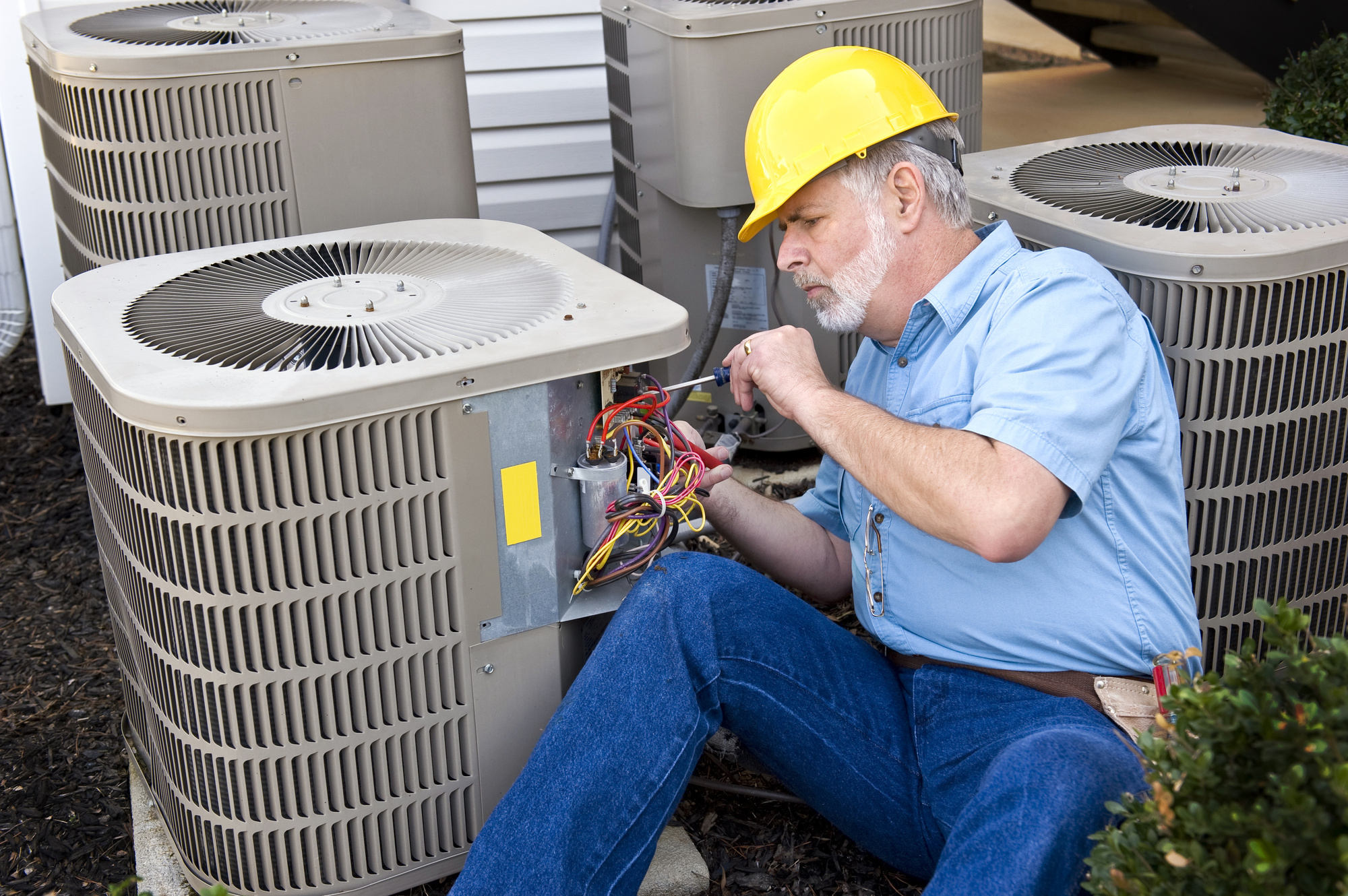
What to Do If Your AC Stops Working in the Middle of the Summer Heat (Updated Sept 2025)
Summer heat can be relentless. The sun beats down, temperatures climb, and humidity rises, making your home feel more like a sauna than a comfortable retreat. Your air conditioner is your sanctuary, your personal shield against the sweltering heat. But what happens when it suddenly stops working in the middle of the day? It can feel like a crisis, but with the right knowledge and a calm approach, you can navigate the situation safely and effectively.
In this guide, we’ll walk you through the steps to take if your air conditioner fails during hot weather, explain why these issues occur, and provide practical advice to keep you cool until professional help arrives.
Understanding Why ACs Fail
Air conditioners are complex systems designed to regulate temperature, humidity, and airflow in your home. Despite their efficiency, there are several common reasons they might stop working suddenly. Knowing these can help you identify the problem quickly and take appropriate action.
Electrical Issues
Electrical problems are one of the most frequent causes of AC failure. Circuit breakers can trip, fuses may blow, or wiring could become damaged over time. According to the U.S. Department of Energy, faulty electrical connections are responsible for a significant portion of HVAC malfunctions annually.
A sudden power surge during a heatwave can also overwhelm your system, causing it to shut down to protect itself from further damage. Checking your circuit breaker or fuse box is a simple first step to determine if this is the issue.
Refrigerant Problems
Refrigerant is the chemical responsible for cooling your air. Low refrigerant levels or leaks can cause your AC to stop producing cool air. The Environmental Protection Agency reports that leaks not only reduce system efficiency but also contribute to greenhouse gas emissions, making timely repairs both a comfort and an environmental necessity.
Signs of refrigerant issues include warm air blowing from vents, ice forming on the evaporator coil, or a hissing sound near the outdoor unit.
Dirty Filters and Coils
Clogged air filters and dirty coils are another leading cause of AC failure. A study by the American Society of Heating, Refrigerating, and Air-Conditioning Engineers (ASHRAE) shows that restricted airflow can reduce an AC’s efficiency by up to 15%. Dirty filters make the system work harder, increasing wear and tear, while dirty coils prevent proper heat transfer, leading to system shutdowns.
Regular maintenance is key. Replacing filters every 1–3 months and keeping coils clean ensures your AC runs smoothly, even during the hottest days.
Mechanical Failures
Components such as fans, compressors, and motors can wear out over time. Mechanical failure can occur suddenly or develop gradually, often depending on usage and age. The U.S. Department of Energy notes that well-maintained systems can last 12–15 years, but neglect and heavy use can shorten this lifespan.
Listen for unusual noises, such as grinding or rattling, which may indicate a mechanical issue. Recognizing these early can prevent a complete breakdown.
Immediate Steps to Take if Your AC Stops Working
If your air conditioner fails in the middle of a heatwave, quick action can help prevent discomfort and further damage. Here’s a step-by-step guide.
Step 1: Stay Calm and Assess the Situation
First, take a deep breath. While it may feel urgent, panicking will not help. Assess whether the issue is minor and easily fixable, or if it requires professional attention.
Check for obvious signs: Is the unit completely unresponsive? Are any lights flashing on the thermostat? Is there a strange odor or visible smoke? These observations will help professionals diagnose the issue faster.
Step 2: Check the Thermostat
Sometimes, the problem lies not with the AC itself but with the thermostat. Ensure it’s set to “cool” and the temperature is lower than the current room temperature. Replace batteries if needed, and check that the device is functioning properly. According to the U.S. Energy Information Administration, thermostat issues are one of the simplest causes of perceived AC failure.
Step 3: Inspect Power and Breakers
Next, verify that your AC has power. Look at your circuit breaker or fuse box for tripped breakers or blown fuses. If you find one, reset the breaker or replace the fuse and see if the system resumes operation. Always follow safety precautions and, if unsure, wait for a professional rather than attempting complicated electrical work.
Step 4: Examine Air Filters
Dirty filters are a common culprit and easy to fix. Remove the air filter and inspect it for dust, debris, or mold. If it appears clogged, replace it immediately. Even if your system isn’t completely broken, a dirty filter can severely reduce efficiency and airflow, making your home uncomfortably warm.
Step 5: Clear Outdoor Unit Debris
Your AC’s outdoor condenser unit can accumulate leaves, dirt, and debris, which block airflow. Carefully remove any obstructions, ensuring the unit has at least two feet of clearance on all sides. A blocked condenser can cause overheating and eventual system shutdown.
Step 6: Use Temporary Cooling Measures
While waiting for repairs, employ temporary measures to stay comfortable:
-
Fans: Circulate air to help sweat evaporate and cool your body. Ceiling fans and portable fans are effective for short-term relief.
-
Close Blinds and Curtains: Limit sunlight entering your home to reduce heat gain.
-
Stay Hydrated: Drinking water helps regulate your body temperature.
-
Avoid Heat-Generating Activities: Limit cooking, laundry, and other tasks that generate heat inside the home.
These steps won’t replace a working AC, but they can help make your living space more tolerable until professional service is available.
Understanding the Risks of Ignoring AC Problems
Delaying repairs when your AC stops working can have several negative consequences:
Increased Repair Costs
What may begin as a small issue, such as a clogged filter or low refrigerant, can escalate into a major mechanical failure if ignored. According to Consumer Reports, early intervention can save homeowners hundreds of dollars in long-term repair costs.
Health and Safety Concerns
High indoor temperatures, particularly during extreme heat, can pose health risks. The Centers for Disease Control and Prevention (CDC) warns that heat exhaustion and heatstroke are real threats, especially for children, elderly individuals, and those with preexisting conditions. Keeping your AC in good working order is essential for maintaining a safe home environment.
Reduced Energy Efficiency
A malfunctioning AC works harder to achieve the desired temperature, using more electricity. The U.S. Department of Energy notes that even a small drop in efficiency can increase energy consumption significantly, impacting both your utility bills and environmental footprint.
Common AC Issues That Require Professional Service
While some minor problems can be managed at home, many AC issues necessitate professional attention. Understanding these can help you know when to call a trusted HVAC service provider.
Refrigerant Leaks
Handling refrigerant requires specialized training and EPA-certified technicians. Attempting to refill or repair leaks yourself can be dangerous and illegal. Professionals can detect leaks using advanced tools and ensure the correct refrigerant type and level is restored.
Compressor or Motor Failures
Compressors and motors are essential components of your system. If either fails, your AC will stop cooling entirely. Repairs often involve technical diagnostics and replacement parts, which are best handled by trained technicians.
Electrical Malfunctions
While you can reset breakers safely, complex electrical issues like damaged wiring or faulty capacitors require professional expertise. Licensed HVAC technicians follow strict safety protocols to prevent accidents and ensure your system operates reliably.
Frozen Coils
Frozen evaporator coils are usually caused by airflow restrictions or refrigerant issues. Thawing them requires professional evaluation to prevent recurring problems.
Preventing AC Breakdowns in the Future
Proactive maintenance is the best way to avoid being caught without cool air when you need it most. Here’s how to protect your system:
Schedule Regular Maintenance
Annual or biannual inspections by a certified HVAC professional can identify minor issues before they become major problems. During maintenance, technicians check refrigerant levels, inspect electrical components, clean coils, and test system efficiency.
Replace Filters Consistently
Even with regular maintenance, dirty filters remain one of the most common causes of AC failure. Establish a routine to check and replace filters every 1–3 months, depending on system usage and indoor air quality.
Keep the Outdoor Unit Clear
Maintain proper clearance around your condenser unit, removing leaves, dirt, and debris. Trim nearby plants to ensure unrestricted airflow.
Monitor System Performance
Pay attention to changes in cooling efficiency, unusual noises, or rising energy bills. Early detection allows you to schedule service before a complete breakdown occurs.
Upgrade When Necessary
If your system is over 12–15 years old or requires frequent repairs, consider replacement. Modern AC units are more energy-efficient, environmentally friendly, and reliable, reducing the risk of unexpected failure.
Signs It’s Time to Call an HVAC Professional
Even with preventative measures, sometimes your system simply requires professional intervention. Common indicators include:
-
Inconsistent cooling or hot spots in your home
-
Loud or unusual noises from the AC unit
-
Foul or unusual odors
-
Water leaks or ice formation on components
-
Frequent tripping of breakers or blown fuses
A trained technician can diagnose the issue accurately and perform repairs safely, restoring comfort quickly.
Choosing the Right HVAC Service
When your AC fails, you need a trustworthy and experienced service provider. Look for companies that offer:
-
Certified Technicians: Proper credentials ensure safe and effective service.
-
Prompt Response: Fast response times are crucial during extreme heat.
-
Comprehensive Maintenance and Repair: A provider that handles both routine maintenance and emergency repairs simplifies home comfort management.
-
Positive Customer Reviews: Feedback from other homeowners can provide insight into reliability and quality.
Selecting the right company ensures your system is repaired correctly and minimizes the chance of future breakdowns.
For HVAC Service in Houston, TX, Contact P&M Air Conditioning & Heating Today
When your air conditioner stops working in the middle of the heat, you don’t have to endure discomfort or stress. P&M Air Conditioning & Heating provides professional, reliable HVAC services designed to keep your home comfortable no matter how high temperatures climb. Our experienced technicians diagnose problems quickly, offer effective solutions, and perform repairs safely, ensuring your system operates efficiently and reliably.
Don’t wait for a small issue to become a major emergency. Trust P&M Air Conditioning & Heating for all your cooling needs and experience the peace of mind that comes with expert service and a cool, comfortable home.

The Role of HVAC Systems in Back-to-School Indoor Comfort in Bellaire, TX
As summer days fade into cooler evenings, families across Bellaire, Texas, prepare for the return of school. Alongside the excitement of new classes and reunions with friends, there’s a vital component of everyday life that often goes unnoticed: the HVAC (Heating, Ventilation, and Air Conditioning) system. With the local climate offering its unique blend of heat and humidity, the importance of effective indoor comfort during this transitional time cannot be overstated. In this blog post, we will explore the crucial role HVAC systems play in maintaining a comfortable and healthy indoor environment for students, teachers, and parents alike.
Understanding the Local Climate
Bellaire is known for its warm, humid subtropical climate. With long, hot summers and mild winters, residents rely heavily on their HVAC systems to provide relief from the heat. According to the National Weather Service, the average high temperature in Bellaire during the summer months often exceeds 90°F. This consistent warmth can make the home a sanctuary from the sweltering outdoors, especially for children returning to school after summer vacation.
However, the transition from summer to school can also bring unexpected fluctuations in temperature and humidity. As families settle into their back-to-school routines, having a reliable HVAC system becomes essential for ensuring that everyone remains comfortable, focused, and productive.
The Importance of Indoor Air Quality
One of the key roles of HVAC systems is to maintain indoor air quality (IAQ). With students spending much of their day inside classrooms or at home, ensuring clean and comfortable air is vital. Poor indoor air quality can lead to a range of health issues, including allergies, asthma, and other respiratory problems.
What is Indoor Air Quality?
Indoor air quality refers to the condition of the air within a building and its impact on the health and comfort of the occupants. Several factors influence IAQ, including:
- Ventilation: Proper airflow helps to reduce pollutants and improve air quality.
- Humidity Levels: High humidity can promote mold growth, while low humidity can cause dryness and irritation.
- Pollutants: Dust, allergens, and volatile organic compounds (VOCs) can contribute to poor air quality.
According to the Environmental Protection Agency (EPA), indoor air can be two to five times more polluted than outdoor air. This statistic underscores the need for effective HVAC systems to filter and circulate air properly.
Benefits of Improved Indoor Air Quality
- Healthier Environment: Improved IAQ reduces the risk of respiratory issues and allergies, allowing students to focus better on their studies.
- Enhanced Comfort: Regulated humidity levels contribute to overall comfort, preventing discomfort from both excessive dryness and dampness.
- Increased Productivity: Comfortable learning environments lead to better concentration and performance among students.
How HVAC Systems Function
To appreciate the significance of HVAC systems in maintaining comfort, it’s essential to understand how they work. At its core, an HVAC system comprises three main components: heating, ventilation, and air conditioning.
Heating
In Bellaire, the winters are mild but can still require some heating. Most HVAC systems utilize a furnace or heat pump to warm indoor air during colder months. A well-functioning heating system ensures that homes stay cozy and comfortable as temperatures drop.
Ventilation
Ventilation is the process of exchanging or replacing air in a space to improve air quality. This can be achieved through natural means, like open windows, or mechanically through an HVAC system. Mechanical ventilation systems include air handling units that filter and circulate air throughout the building.
Air Conditioning
Air conditioning systems work to cool indoor spaces by removing heat and humidity from the air. Central air conditioning units are popular in Bellaire, as they provide whole-home cooling and maintain consistent temperatures throughout the house.
Importance of Regular Maintenance
Regular maintenance of HVAC systems is crucial for optimal performance. A well-maintained system can operate more efficiently, helping to reduce energy costs. The U.S. Department of Energy states that regular maintenance can improve the efficiency of an HVAC system by up to 15%.
Back-to-School HVAC Tips for Bellaire Residents
As families gear up for the school year, there are several steps they can take to ensure their HVAC systems are ready to provide comfort:
1. Schedule a Professional Tune-Up
Having a professional HVAC technician perform a seasonal tune-up can help identify potential issues before they become major problems. During a tune-up, technicians will clean components, check for leaks, and ensure that the system operates at peak efficiency.
2. Change Air Filters Regularly
Air filters play a critical role in maintaining good indoor air quality. Clogged filters can restrict airflow and allow dust and allergens to circulate in the home. It’s recommended to change air filters every 1-3 months, especially during peak usage times.
3. Invest in a Programmable Thermostat
A programmable thermostat can help optimize indoor temperatures according to the family’s schedule. This ensures that the HVAC system runs efficiently, providing comfort when needed while saving energy when the house is empty.
4. Seal Ducts and Windows
Properly sealing ducts and windows can prevent air leaks, improving energy efficiency. Families should check for gaps or cracks around windows and doors and have ductwork inspected for leaks.
5. Monitor Humidity Levels
Maintaining ideal indoor humidity levels (between 30-50%) is essential for comfort and health. Using dehumidifiers or humidifiers as needed can help achieve optimal humidity levels, especially during transitional seasons.
The Impact of Energy Efficiency
Investing in energy-efficient HVAC systems can have a profound impact on both comfort and utility bills. By upgrading to energy-efficient models, families can reduce energy usage significantly.
Benefits of Energy Efficiency
- Cost Savings: Energy-efficient systems can lower monthly energy bills, providing long-term savings.
- Environmental Impact: Reducing energy consumption lowers the carbon footprint, contributing to a healthier planet.
- Enhanced Comfort: Energy-efficient systems often come with advanced technology that improves comfort levels in the home.
Preparing for the School Year Ahead
As students head back to school, it’s vital for parents to create an environment that supports learning and comfort. A well-functioning HVAC system is key to achieving this goal. By ensuring that their HVAC systems are in good shape, families can help children focus on their studies without the distractions of uncomfortable temperatures or poor air quality.
The Importance of Professional Help
While many homeowners can perform basic maintenance tasks, the expertise of a professional HVAC technician is invaluable. These professionals have the training and experience to troubleshoot issues, recommend solutions, and ensure that systems operate efficiently. Regular service not only prolongs the life of the HVAC system but also helps prevent costly repairs down the line.
For HVAC Services in Bellaire, TX, Contact P & M Air Conditioning and Heating Today
As the school year begins, ensuring comfort in your home is more important than ever. At P & M Air Conditioning and Heating, we understand the unique challenges that Bellaire residents face regarding indoor climate control. Our team of experienced professionals is here to provide reliable HVAC services tailored to your needs.
Whether you need a seasonal tune-up, advice on energy-efficient upgrades, or repairs to keep your system running smoothly, we’re here to help. With our commitment to quality and customer satisfaction, you can trust us to keep your home comfortable throughout the school year and beyond.
Don’t wait until the temperatures change—contact P & M Air Conditioning and Heating today to schedule your HVAC service!
Avoiding Costly AC Repairs by End of Summer in Houston, TX
As summer draws to a close in Houston, the sweltering heat can still pack a punch. With average temperatures often soaring above 90°F, many residents find themselves heavily reliant on their air conditioning systems to keep their homes cool and comfortable. While we often enjoy the warm sunshine, it’s essential to ensure that our AC units are in top shape to avoid unexpected repairs and hefty bills. In this guide, we’ll explore practical strategies to help you avoid costly AC repairs as the summer winds down, keeping your home cool without breaking the bank.
Understanding the Importance of Regular AC Maintenance
Before diving into specific tips for preventing repairs, it’s crucial to understand why regular AC maintenance is so important.
Why AC Maintenance Matters
According to the U.S. Department of Energy, regular maintenance can improve your air conditioning system’s efficiency by up to 15%. This increase in efficiency not only helps keep your energy bills lower but also extends the lifespan of your system. A well-maintained unit is less likely to break down, ensuring you remain cool and comfortable even during the hottest days.
Common Issues That Can Lead to Costly Repairs
Several issues can arise if your AC unit is neglected. Here are a few common problems that can lead to expensive repairs:
- Clogged Filters: Dirty filters can restrict airflow, forcing your unit to work harder and potentially leading to overheating.
- Refrigerant Leaks: Low refrigerant levels can reduce cooling efficiency and strain the system, leading to compressor failure.
- Electrical Failures: Faulty wiring and connections can cause the system to fail entirely.
- Dirt and Debris: Accumulated dirt on coils and fan blades can hinder performance, leading to breakdowns.
Now that we understand the importance of maintenance let’s delve into actionable tips for avoiding costly repairs as the summer heat persists.
Regularly Change or Clean Your Air Filters
One of the simplest yet most effective ways to ensure your AC unit operates efficiently and reliably is by regularly changing or cleaning your air filters.
The Role of Air Filters
Air filters are crucial for the proper functioning of your AC system. They trap dust, pollen, and other airborne particles, ensuring that the air you breathe is clean. However, if these filters are clogged, they can cause significant issues.
How Often to Change Filters
As a rule of thumb, it’s recommended to change or clean your air filters every one to three months, depending on usage. In Houston, where humidity and dust can be high, you might need to change them more frequently. A clogged filter not only reduces airflow but can also lead to other problems, such as freezing the evaporator coil.
Signs You Need to Change Your Filter
- Reduced airflow from vents
- Increased energy bills
- Dust accumulation around your home
- Allergies worsening indoors
Schedule Regular Professional Inspections
To ensure your air conditioning system remains in peak condition and to catch potential issues before they escalate, it’s essential to schedule regular professional inspections with a qualified HVAC technician.
The Benefits of Professional Maintenance
While there are many things you can do on your own, scheduling regular professional inspections is vital for comprehensive care.
What Happens During an Inspection?
During a professional inspection, technicians will:
- Clean the coils and components
- Check refrigerant levels
- Inspect electrical connections and components
- Test the thermostat and control systems
- Check for leaks and airflow issues
These thorough inspections can catch problems early, preventing costly repairs down the line.
How Often Should You Schedule Inspections?
It’s recommended to have your AC system professionally inspected at least once a year. For systems that work hard during the summer, consider scheduling two inspections annually—one before the summer heat hits and another in the fall.
Keep the Area Around Your AC Unit Clean
Maintaining a clean and unobstructed space around your air conditioning unit is crucial for ensuring optimal airflow and preventing potential breakdowns, so let’s explore how to effectively manage the surroundings of your AC system.
The Importance of Clear Space
The outdoor unit of your AC system needs adequate airflow to operate efficiently. If it’s surrounded by debris, plants, or other obstacles, it can lead to overheating and breakdowns.
How to Maintain Your Outdoor Unit
- Clear Debris: Regularly remove leaves, dirt, and other debris around the unit.
- Trim Vegetation: Keep plants and shrubs at least two feet away from the unit to allow for proper airflow.
- Ensure Drainage: Check the area around the unit for proper drainage to prevent water accumulation.
Watch for Signs of Damage
Inspect your outdoor unit for any signs of damage, such as bent fins, rust, or cracks. Addressing these issues promptly can prevent more significant problems later.
Monitor and Adjust Thermostat Settings
Properly managing your thermostat settings is a key factor in maintaining your AC system's efficiency and prolonging its lifespan while ensuring your home remains comfortable during the heat of summer.
Understanding Your Thermostat
Your thermostat controls when your AC unit runs, affecting both comfort and energy consumption.
Recommended Settings
During extremely hot days, setting your thermostat to around 78°F can provide a good balance of comfort and efficiency. Every degree lower can increase your energy bill by about 3% to 5%.
Consider a Programmable Thermostat
If you don’t already have one, consider upgrading to a programmable thermostat. This technology allows you to set schedules for when your AC should run, preventing unnecessary energy consumption while you’re away from home.
Be Proactive About Refrigerant Levels
Maintaining the proper refrigerant levels in your air conditioning system is crucial for optimal performance and preventing costly repairs down the line.
The Importance of Proper Refrigerant Levels
Refrigerant is essential for your AC unit’s cooling process. Low refrigerant levels can indicate a leak, which can lead to severe issues if not addressed.
Signs of Low Refrigerant
- The AC is blowing warm air.
- Ice is forming on the evaporator coils.
- Increased energy bills without changes in usage.
If you suspect low refrigerant levels, contact a professional immediately to inspect for leaks and recharge the system if necessary.
Keep an Eye on Your AC’s Energy Efficiency
Monitoring your air conditioning system's energy efficiency is crucial, as it not only impacts your comfort but also directly affects your energy bills and the overall lifespan of your unit.
Understanding SEER Ratings
The Seasonal Energy Efficiency Ratio (SEER) measures an air conditioning unit's efficiency. The higher the SEER rating, the more efficient the system is. As a benchmark, modern systems typically have SEER ratings between 14 and 20.
Upgrading for Efficiency
If your unit is older than 10 years, consider upgrading to a newer, more efficient model. While the initial investment may seem significant, the energy savings can lead to lower bills and a rapid return on investment. According to Energy Star, upgrading from a SEER 10 to a SEER 16 could save you about 50% on cooling costs.
Recognize Warning Signs
Being able to identify warning signs of potential AC issues is crucial for preventing costly repairs and ensuring your system runs smoothly throughout the summer months.
Common Symptoms of AC Issues
Understanding the signs that your AC may be struggling can save you from costly repairs. Some warning signs include:
- Strange noises such as grinding, squealing, or banging
- A sudden spike in energy bills
- Inconsistent cooling throughout your home
- Frequent cycling on and off
If you notice any of these signs, it’s important to call a professional for an evaluation.
Invest in a Home Warranty
Considering the potential costs associated with unexpected AC repairs, investing in a home warranty can provide you with valuable protection and peace of mind.
The Benefits of a Home Warranty
Consider investing in a home warranty that covers your HVAC system. This can help alleviate unexpected repair costs, providing peace of mind throughout the summer months.
What to Look For in a Home Warranty
- Coverage: Ensure the warranty covers parts and labor for air conditioning repairs.
- Provider Reputation: Research the provider’s reputation and customer reviews to ensure reliability.
For AC Repair Services in Houston, TX, Contact P & M Air Conditioning and Heating Today
As the summer in Houston winds down, taking proactive steps to maintain your air conditioning system is essential to avoid costly repairs. From regular filter changes to professional inspections, these actions can help ensure your AC operates efficiently and effectively.
At P & M Air Conditioning and Heating, we understand the importance of a well-functioning AC system. Our team of experts is here to help you maintain, repair, and optimize your HVAC system to keep your home comfortable year-round. Don’t wait for a breakdown to address your cooling needs; contact us today to schedule an inspection or learn more about our services!
How to Maximize Your AC’s Efficiency During The Summer Heat in Friendswood, TX
As the summer sun blazes down on Friendswood, TX, the demand for air conditioning skyrockets. With temperatures often reaching the high 90s and humidity levels soaring, keeping your home cool becomes not just a comfort but a necessity. Yet, as the thermostat rises, so do energy bills. Fortunately, maximizing your AC's efficiency can make a significant difference. In this guide, we’ll explore practical steps you can take to ensure your air conditioning system runs optimally throughout the summer heat.
Understanding the Importance of AC Efficiency
Before diving into actionable tips, it’s essential to grasp why AC efficiency matters. An efficient air conditioning system not only keeps your home comfortable but also helps lower energy costs, reduce environmental impact, and extend the lifespan of your unit. According to the U.S. Department of Energy, air conditioning can account for up to 12% of a home’s energy use. This statistic underscores the importance of maintaining your AC unit to avoid unnecessary expenses and waste.
In Friendswood, the average temperature in summer can hover around 95°F, and humidity levels can make it feel even warmer. This combination can put immense stress on your cooling system. By optimizing your AC's efficiency, you can combat these challenges effectively.
Regular Maintenance is Key
Regular maintenance is essential for ensuring that your air conditioning system operates efficiently and effectively throughout the sweltering summer months.
Schedule Annual Tune-Ups
One of the most effective ways to maximize your AC's efficiency is through regular maintenance. Scheduling annual tune-ups with a qualified HVAC technician can help identify and resolve potential issues before they escalate. During these tune-ups, technicians typically perform tasks such as:
- Cleaning the coils: Dirty coils can reduce your AC's ability to cool efficiently.
- Checking refrigerant levels: Proper refrigerant levels are crucial for effective cooling.
- Inspecting ducts for leaks: Leaky ducts can lead to significant energy loss.
According to the Energy Information Administration (EIA), regular maintenance can improve your system's efficiency by up to 15%. By investing in preventive maintenance, you're likely to save money in the long run while ensuring a cool, comfortable home.
Change Your Air Filters
One of the simplest and most effective maintenance tasks is changing your air filters regularly. Clogged filters restrict airflow, making your AC work harder to cool your home. This can lead to increased energy consumption and a shortened lifespan for your unit.
- Frequency: It’s recommended to check filters monthly and replace them at least every three months, or more often if you have pets or live in a dusty area.
- Type of filters: Choose high-efficiency particulate air (HEPA) filters for optimal performance.
Changing your filters not only enhances efficiency but also improves indoor air quality, which is especially important during allergy season in Texas.
Optimize Your Thermostat Settings
One of the simplest yet most effective ways to enhance your AC's efficiency is by fine-tuning your thermostat settings to suit your daily routine and comfort needs.
Set the Right Temperature
Your thermostat settings play a significant role in your air conditioning system's efficiency. The U.S. Department of Energy suggests setting your thermostat to 78°F when you're at home. For every degree you raise your thermostat setting, you can save around 3% on your cooling costs.
Utilize Programmable or Smart Thermostats
Consider investing in a programmable or smart thermostat. These devices allow you to set specific temperatures for different times of the day, ensuring your AC isn’t working harder than necessary when you’re not home.
- Energy Savings: According to the U.S. Department of Energy, you can save about 10% a year on cooling costs by turning your thermostat up by 7°–10°F for eight hours a day.
Some smart thermostats can even learn your schedule and adjust temperatures automatically, further enhancing your energy savings.
Enhance Your Home’s Insulation
Proper insulation is essential for maximizing your AC's efficiency, as it helps maintain a comfortable indoor temperature by preventing cool air from escaping and warm air from infiltrating your home.
Seal and Insulate Ducts
Proper insulation is vital for maintaining cool air inside your home. Sealing and insulating ducts can prevent cool air from escaping and warm air from entering, leading to better energy efficiency.
- Air Leaks: According to the U.S. Department of Energy, leaky ducts can waste 20% or more of the energy used for cooling.
- Insulation Materials: Use materials like foil, duct tape, or mastic to seal any visible leaks.
Insulate Attics and Walls
In addition to duct insulation, ensure that your home’s walls and attic are well-insulated. Proper insulation can keep cool air in and hot air out, reducing the workload on your AC unit.
- R-Value: Aim for an R-value (a measure of thermal resistance) appropriate for your climate zone, which for Texas is around R-30 to R-60 for attics.
Utilize Natural Cooling Techniques
To complement your air conditioning efforts and enhance overall comfort, incorporating natural cooling techniques can be an effective way to keep your home pleasantly cool without relying solely on your AC system.
Block Out the Sun
Utilizing shades and blinds can significantly reduce the amount of heat that enters your home. According to the Department of Energy, closing your curtains or shades during the hottest part of the day can reduce heat gain by up to 30%.
- Window Treatments: Consider thermal curtains or blackout shades to keep your home cooler.
Use Fans Wisely
Ceiling fans and portable fans can enhance comfort by circulating air, allowing you to raise your thermostat setting without sacrificing comfort.
- Ceiling Fan Direction: In summer, ensure your ceiling fans rotate counter-clockwise to create a cooling breeze.
Invest in Energy-Efficient Equipment
Investing in energy-efficient equipment is a crucial step in enhancing your air conditioning system's performance while simultaneously reducing energy costs and environmental impact.
Upgrade to a High-Efficiency AC Unit
If your AC unit is older, consider upgrading to a high-efficiency model. Modern units often have higher Seasonal Energy Efficiency Ratios (SEER) and can save you significantly on energy costs.
- SEER Ratings: Look for units with a SEER rating of 16 or higher for optimal efficiency.
Consider Energy-Efficient Windows
Replacing old windows with energy-efficient models can also help reduce heat gain and improve your AC's performance. Look for windows with low-E coatings and double or triple glazing.
Keep the Outdoor Unit Clear
Maintaining your outdoor AC unit is essential for ensuring optimal airflow and efficiency, as any debris or obstruction can hinder its performance and lead to increased energy costs.
Maintain Your Outdoor Unit
Your outdoor AC unit requires regular attention to operate efficiently. Keep the area around your unit clear of debris, leaves, and grass clippings.
- Space Requirement: Ensure there’s at least two feet of clearance on all sides of the unit to allow for proper airflow.
- Cleaning: Regularly clean the fins on the outdoor unit and ensure they aren’t bent, as this can restrict airflow.
Shade the Unit
If possible, provide some shade for your outdoor unit. This can lower the temperature around the unit, allowing it to operate more efficiently.
- Natural Shade: Planting trees or installing awnings can provide shade without obstructing airflow.
Monitor Energy Usage
Keeping an eye on your energy consumption is crucial for maximizing your AC's efficiency and ensuring you are not overspending on cooling costs.
Use Energy Monitors
Installing energy monitors can help you keep track of your cooling costs and adjust your habits accordingly. Many smart thermostats have this feature built-in, providing insights into your energy use patterns.
Identify High-Usage Periods
Understanding when your AC is working hardest can help you make adjustments. For example, if your energy monitor shows spikes in usage during specific times, you might want to adjust your thermostat or use fans more strategically during those hours.
For AC Services in Friendswood, TX, Contact P & M Air Conditioning and Heating Today
Maximizing your AC's efficiency during the summer heat in Friendswood, TX, is not just about comfort; it's about smart energy use and cost savings. By implementing regular maintenance, optimizing your settings, enhancing insulation, and investing in energy-efficient equipment, you can ensure that your air conditioning system operates at its best.
At P & M Air Conditioning and Heating, we understand the importance of a reliable, efficient cooling system during the hot summer months. Our team of experienced professionals is ready to help you with maintenance, repairs, and upgrades to ensure your home stays cool and comfortable. Don’t let the summer heat overwhelm you—contact us today to schedule your AC services and enjoy a cool, comfortable home all season long!

Tips for Keeping Your Outdoor HVAC Unit Clean in West University, TX
Living in West University, TX, means embracing a vibrant community under a warm, sunny sky. While the climate offers many outdoor joys, it also poses challenges, particularly when it comes to maintaining your home’s HVAC system. Your outdoor HVAC unit is your home’s unsung hero, working tirelessly to keep your indoor environment comfortable regardless of what’s happening outside. However, like any hardworking appliance, it requires regular cleaning and maintenance to operate efficiently. A clean outdoor unit can lead to better performance, lower energy bills, and a longer lifespan for your system. In this blog post, we will discuss practical tips to keep your outdoor HVAC unit in top shape, ensuring it continues to provide the comfort you deserve.
Why is Cleaning Your Outdoor HVAC Unit Important?
Understanding the significance of cleaning your outdoor HVAC unit is crucial, as it directly impacts efficiency, equipment longevity, and indoor air quality.
Enhancing Efficiency
Did you know that an unclean HVAC unit can reduce its efficiency by up to 30%? According to the U.S. Department of Energy, regular maintenance, including cleaning, is essential to ensure your system operates at peak performance. Dust, debris, and dirt can accumulate on the coils and fins, obstructing airflow and forcing your system to work harder than necessary. This increased workload can lead to higher energy bills and, ultimately, premature system failure.
Extending Equipment Life
Investing in an HVAC system is a significant financial commitment. On average, homeowners in Texas spend between $5,000 to $10,000 on a new HVAC unit. By keeping your outdoor unit clean, you can extend its lifespan and protect your investment. Regular maintenance can help you avoid costly repairs or replacements, saving you both time and money in the long run.
Improving Indoor Air Quality
An efficient HVAC system not only keeps your home comfortable but also contributes to better indoor air quality. A dirty outdoor unit can lead to a buildup of dust and allergens, which may find their way into your home. By maintaining a clean unit, you can help ensure that the air circulating in your home is as clean and fresh as possible.
Tips for Keeping Your Outdoor HVAC Unit Clean
Here are some effective tips to help you maintain a clean outdoor HVAC unit, ensuring optimal performance and longevity for your system.
1. Regular Inspection
The first step in maintaining your outdoor HVAC unit is to conduct regular inspections. Aim to check your unit at least once a month. Look for signs of dirt accumulation, debris, or any visible damage. Early detection of issues can prevent larger problems down the road.
2. Clear Debris
One of the simplest yet most effective ways to keep your HVAC unit clean is by clearing away any debris. Leaves, grass clippings, dirt, and other materials can accumulate around the unit, obstructing airflow. Here’s how to do it:
- Clear the Area: Maintain a three-foot clearance around your outdoor unit. This will help ensure adequate airflow and prevent any obstruction.
- Use a Hose: Gently spray the unit with a garden hose to remove dirt and debris. Avoid using a pressure washer, as it can damage the unit's components.
3. Clean the Fins and Coils
The fins and coils of your outdoor unit are crucial for heat exchange. Over time, they can become dirty, which impairs efficiency. Here’s how to clean them:
- Use a Fin Brush: Purchase a fin cleaning brush to remove dirt and debris gently. Always brush in the direction of the fins to avoid bending them.
- Coil Cleaner: If the coils are heavily soiled, consider using a coil cleaner. Apply it according to the manufacturer's instructions and rinse thoroughly with water.
4. Trim Vegetation
In West University, TX, it’s common for landscaping to encroach upon outdoor HVAC units. Overgrown bushes or trees can block airflow and trap heat, making your unit work harder. To combat this, regularly trim any plants or shrubs near your HVAC unit, ensuring a clear path for airflow.
5. Check the Drainage
Proper drainage is crucial for the functionality of your HVAC system. If the drainage holes in your outdoor unit are clogged, it can lead to water buildup and damage. Here’s how to maintain proper drainage:
- Inspect the Drainage Holes: Check for any blockages and clear them as needed.
- Ensure Proper Slope: Ensure that the area around your unit is sloped away from it, allowing for effective drainage.
6. Schedule Professional Maintenance
While DIY cleaning is important, it’s equally essential to schedule regular professional maintenance. A trained technician can perform a thorough cleaning and inspection, identifying any potential issues you may have missed. The EPA recommends having your HVAC system professionally serviced at least once a year.
7. Monitor the Fan
The fan in your outdoor unit is responsible for circulating air over the coils. If the fan is dirty or malfunctioning, it can significantly reduce your system's efficiency. Here’s what to do:
- Inspect the Fan Blades: Ensure they are clean and free of debris. If they appear dirty, gently clean them with a damp cloth.
- Check for Unusual Noises: If you hear unusual noises coming from the fan, such as grinding or squeaking, it may be time to call a professional.
8. Ensure Proper Refrigerant Levels
Your HVAC system relies on the right amount of refrigerant to function efficiently. Low refrigerant levels can indicate a leak, which can impair the unit’s performance. If you suspect low refrigerant levels, it’s crucial to contact a professional to check and refill them.
9. Educate Yourself on Warning Signs
Understanding the warning signs that indicate your HVAC unit may need attention is crucial for timely maintenance. Keep an eye out for:
- Increased Energy Bills: A sudden spike in your energy costs could indicate an issue with your HVAC system.
- Strange Noises: Unusual sounds can be a sign of a problem with your outdoor unit.
- Poor Airflow: If you notice that some rooms in your home are not receiving adequate airflow, it could be a sign of a clogged or dirty unit.
10. Document Your Maintenance
Keeping a record of your maintenance activities can help you stay organized and informed about your HVAC system's condition. Document when you last cleaned the unit, any professional maintenance services performed, and any repairs needed. This information can be beneficial when troubleshooting issues or when scheduling future maintenance.
For HVAC Services in West University, TX, Contact P & M Air Conditioning and Heating Today
Keeping your outdoor HVAC unit clean is an essential part of home maintenance in West University, TX. Regular inspections, debris removal, and professional maintenance not only enhances the efficiency of your system but also extends its lifespan and improves indoor air quality. By following the tips outlined in this blog, you can ensure that your HVAC unit operates smoothly, providing you with a comfortable living environment year-round.
At P & M Air Conditioning and Heating, we understand the importance of a well-maintained HVAC system. Our team of experienced technicians is dedicated to providing you with the best service possible. Whether you need routine maintenance, cleaning, or repairs, we’ve got you covered. Don’t wait for problems to arise; contact us today to schedule your HVAC service and ensure your system is ready to keep you comfortable all year long!
Energy-Efficient HVAC Upgrades for a Cooler Summer in Pearland, TX
When it comes to living in Pearland, TX, residents are no strangers to the sweltering heat that seems to linger for much of the year. With summer temperatures often soaring into the triple digits, having a reliable and efficient HVAC system isn’t just a luxury—it’s a necessity. But as technology evolves and energy costs continue to rise, many homeowners are asking: how can we keep our homes cooler without breaking the bank? The answer lies in energy-efficient HVAC upgrades.
In this blog post, we’ll explore the various upgrades available, their benefits, and how you can create a more comfortable and cost-effective living environment in Pearland. Whether you’re considering a complete overhaul of your HVAC system or looking for smaller adjustments, we’ve got you covered!
Understanding the Importance of Energy Efficiency in HVAC Systems
To fully appreciate the value of energy-efficient HVAC upgrades, it's essential to understand how energy efficiency impacts both your home environment and your overall energy costs.
What is Energy Efficiency?
Energy efficiency refers to using less energy to provide the same service. In the context of HVAC systems, it means achieving the desired indoor comfort—cool air in the summer—while consuming less energy. This is not only beneficial for your wallet but also for the environment. According to the U.S. Department of Energy, heating and cooling account for nearly 50% of the energy use in a typical American home. Therefore, even small improvements can lead to significant savings.
The Benefits of Energy-Efficient HVAC Upgrades
- Cost Savings: Energy-efficient systems often lead to lower energy bills. According to experts, ENERGY STAR® certified products can save homeowners around 30% on their utility bills.
- Improved Comfort: An efficient HVAC system cools your home more evenly, eliminating hot spots and enhancing overall comfort.
- Environmental Impact: Reducing energy consumption lessens your carbon footprint, contributing to a healthier planet.
- Increased Property Value: Energy-efficient upgrades can make your home more attractive to potential buyers, as many people seek eco-friendly features.
- Enhanced Indoor Air Quality: Efficient systems often come with advanced filtration options, improving the air quality in your home.
Top Energy-Efficient HVAC Upgrades for Pearland Residents
As Pearland residents seek ways to enhance their comfort while managing energy costs, exploring top energy-efficient HVAC upgrades can make a significant difference in both home cooling and overall savings.
1. Upgrade to a High-Efficiency Air Conditioner
One of the most impactful upgrades you can make is investing in a high-efficiency air conditioning unit. Look for units with a Seasonal Energy Efficiency Ratio (SEER) rating of 16 or higher. This rating measures the cooling output during a typical cooling-season divided by the total electric energy input during the same period. The higher the SEER rating, the more efficient the unit.
Key Benefits of High-Efficiency AC Units:
- Lower Energy Bills: High-efficiency units use significantly less energy.
- Quieter Operation: Newer models are designed to operate more quietly than older units.
- Longer Lifespan: Modern units are built to last longer, with many having warranties of 10 years or more.
2. Invest in Smart Thermostats
Smart thermostats are a game changer in energy management. These devices learn your schedule and adjust the temperature accordingly, optimizing energy use.
How Smart Thermostats Work:
- Adaptive Learning: Over time, these thermostats learn your preferences and adjust settings automatically.
- Remote Access: You can control your system from anywhere using a smartphone, ensuring you're never wasting energy when you're not home.
- Energy Reports: Many smart thermostats provide reports on energy usage, helping you make informed decisions.
3. Ductless Mini-Split Systems
Ductless mini-split systems offer an energy-efficient alternative to traditional HVAC systems. These systems consist of an outdoor compressor and one or more indoor air-handling units.
Benefits of Ductless Systems:
- Zoned Cooling: You can control the temperature of individual rooms, which is perfect for larger homes or for those who have rooms that are used infrequently.
- Easy Installation: Ductless systems require less invasive installation, which can save on labor costs.
- Energy Efficiency: These systems are known for their high SEER ratings, often exceeding 20.
4. Regular Maintenance and Tune-Ups
No matter how efficient your HVAC system is, it will only perform well if it’s properly maintained. Regular tune-ups can identify potential issues before they become costly problems.
Key Maintenance Tasks:
- Change Filters: Regularly replacing air filters can improve airflow and efficiency.
- Clean Coils: Dirty coils can reduce your system's ability to cool efficiently.
- Inspect Ductwork: Leaky ducts can account for significant energy loss, sometimes up to 30%.
5. Upgrade Insulation and Sealing
While not a direct HVAC upgrade, enhancing your home’s insulation and sealing any leaks can dramatically improve your system's efficiency.
Why Insulation Matters:
- Retains Cool Air: Good insulation prevents cool air from escaping and hot air from entering, reducing the load on your HVAC system.
- Types of Insulation: Consider adding insulation to your attic, walls, and floors, focusing on areas that are often overlooked.
- Seal Gaps and Cracks: Use caulk and weather stripping to seal gaps around windows and doors.
6. Consider Energy Recovery Ventilators (ERVs)
In Pearland’s humid climate, energy recovery ventilators can help maintain comfort while enhancing indoor air quality. ERVs work by transferring heat and humidity between incoming and outgoing air, allowing you to ventilate your home without losing the cool air produced by your HVAC system.
Advantages of ERVs:
- Improved Indoor Air Quality: ERVs continuously replace stale indoor air with fresh outdoor air.
- Humidity Control: They help manage indoor humidity levels, making your home more comfortable.
- Energy Savings: By recovering energy from exhaust air, they reduce the overall energy required to cool your home.
Financial Incentives for Energy-Efficient Upgrades
Upgrading your HVAC system or making energy-efficient improvements can seem like a hefty investment. However, various financial incentives can ease the burden.
Local and Federal Rebates
- ENERGY STAR® Programs: Many appliances and systems that meet ENERGY STAR® requirements are eligible for rebates.
- Tax Credits: Depending on the upgrades you make, you may qualify for federal tax credits.
- Utility Company Incentives: Check with local utility companies for any rebates or programs they offer for energy-efficient upgrades.
Financing Options
- Low-Interest Loans: Some organizations offer loans specifically for energy-efficient upgrades.
- Flexible Payment Plans: Many HVAC companies, including P & M Air Conditioning and Heating, provide financing options to help spread out the cost of your upgrades.
The Importance of Professional Installation
While DIY projects can be rewarding, HVAC systems are complex and require professional expertise for installation. Here’s why you should choose a professional:
- Expert Knowledge: Professionals understand the nuances of different systems and can recommend the best options for your home.
- Correct Installation: Proper installation ensures that your system operates efficiently, saving you money in the long run.
- Warranties and Guarantees: Many manufacturers require professional installation for warranties to remain valid.
For HVAC Services in Pearland, TX, Contact P & M Air Conditioning and Heating Today
As the summer heat intensifies in Pearland, ensuring that your HVAC system is up to par becomes even more critical. Upgrading to an energy-efficient system not only enhances your comfort but also provides significant savings and environmental benefits.
At P & M Air Conditioning and Heating, we understand the unique needs of Pearland residents. Our team of experienced professionals is here to guide you through the upgrade process, ensuring you find the best solutions for your home. From high-efficiency air conditioners to smart thermostats and everything in between, we’re dedicated to keeping your home cool and comfortable.
Don’t wait until the heat becomes unbearable. Contact us today to schedule your consultation and take the first step towards a cooler, more energy-efficient summer!
How to Improve Indoor Air Quality During Allergy Season in Bellaire, TX
In Bellaire, Texas, we enjoy a unique blend of warm climate, beautiful parks, and a vibrant community. However, with this enjoyable weather comes an array of allergens that can impact our indoor air quality. Whether it's pollen from the blooming azaleas, mold spores from the humidity, or dust particles stirred up by the gentle Texas winds, the air we breathe indoors can often be less than ideal, especially during allergy season.
Many of us underestimate how crucial clean air is for our health and well-being. The air quality inside our homes can be two to five times worse than that outside, according to the U.S. Environmental Protection Agency (EPA). Poor indoor air quality can exacerbate allergies and asthma, leading to sneezing, coughing, and even more severe respiratory issues. In this blog, we’ll explore effective ways to improve indoor air quality during allergy season, helping you create a healthier living environment for you and your family.
Understanding Indoor Air Quality
Before diving into how to enhance your indoor air quality, let’s take a moment to understand what indoor air quality (IAQ) means. It refers to the condition of the air within and around buildings, influenced by various factors, including:
- Pollutants: These include allergens like pollen, pet dander, mold, dust mites, and volatile organic compounds (VOCs) from household products.
- Humidity Levels: High humidity can encourage mold growth, while low humidity can cause dry skin and irritation.
- Ventilation: Proper air circulation helps remove indoor pollutants and brings in fresh air.
The Importance of Indoor Air Quality
Improving your indoor air quality is not just a matter of comfort; it’s vital for your health. According to the World Health Organization (WHO), indoor air pollution is one of the top environmental risks to health. Studies indicate that poor IAQ can lead to various health problems, including:
- Respiratory issues
- Allergic reactions
- Fatigue
- Headaches
- Long-term chronic diseases
For individuals with pre-existing conditions like asthma or allergies, maintaining good air quality becomes even more critical.
1. Regular HVAC Maintenance
One of the most effective ways to improve your indoor air quality is through regular HVAC maintenance. Your heating, ventilation, and air conditioning (HVAC) system plays a vital role in filtering and circulating air throughout your home. Here’s how you can optimize it:
Change Air Filters Regularly
Air filters trap dust, pollen, and other pollutants. According to the American Society of Heating, Refrigerating and Air-Conditioning Engineers (ASHRAE), replacing your air filter every 1-3 months can significantly improve air quality.
Schedule Professional Inspections
Having your HVAC system inspected annually ensures that it’s operating efficiently and effectively. Professional technicians can identify potential issues, clean the system, and recommend upgrades if needed.
2. Invest in Air Purifiers
Air purifiers can be incredibly beneficial, especially during allergy season. These devices filter out pollutants, allergens, and even odors from the air. When selecting an air purifier, consider the following:
- HEPA Filters: Look for purifiers with HEPA (High-Efficiency Particulate Air) filters that can capture 99.97% of particles as small as 0.3 microns.
- Size Matters: Choose a purifier that’s appropriate for the size of the room where it will be used.
- Noise Levels: Some models can be noisy, so select one that operates quietly if you plan to use it in a bedroom.
3. Control Humidity Levels
Maintaining appropriate humidity levels is essential for reducing allergens like mold and dust mites. The ideal indoor humidity level is between 30% and 50%. Here are some tips to control humidity:
Use Dehumidifiers
Dehumidifiers can help reduce excess moisture in your home, particularly in areas prone to dampness, like basements and bathrooms.
Ventilate Your Home
Proper ventilation is crucial for controlling humidity. Use exhaust fans in kitchens and bathrooms to help expel moisture-laden air.
4. Keep Your Home Clean
Regular cleaning can drastically improve your indoor air quality. Here are some effective cleaning practices:
Dust and Vacuum Frequently
Use a vacuum cleaner with a HEPA filter to capture allergens effectively. Dust surfaces regularly, and don’t forget to clean areas that are often overlooked, like baseboards and ceiling fans.
Wash Bedding and Curtains
Dust mites thrive in bedding and curtains. Washing these items in hot water once a week can help reduce their numbers significantly.
5. Use Natural Cleaning Products
Many conventional cleaning products contain harsh chemicals that can contribute to indoor air pollution. Opt for natural cleaning solutions or make your own using ingredients like vinegar, baking soda, and essential oils.
6. Keep Windows Closed
While fresh air is important, during allergy season, it’s often best to keep windows closed to prevent outdoor allergens from entering your home. Use air conditioning instead, ensuring your system is equipped with a good filter.
7. Create a No-Shoe Policy
Shoes can track in dirt, pollen, and other allergens from outside. Creating a no-shoe policy in your home can significantly reduce the amount of debris that enters your living space.
8. Introduce Indoor Plants
Certain indoor plants can improve air quality by filtering out toxins. Some of the best options include:
- Spider Plant: Great for removing formaldehyde and xylene.
- Peace Lily: Known for its ability to remove VOCs.
- Bamboo Palm: Effective at humidifying the air and filtering out pollutants.
However, be cautious, as some plants may also trigger allergies in sensitive individuals.
9. Monitor Indoor Air Quality
Investing in an indoor air quality monitor can help you keep track of pollutants, humidity levels, and temperature. This data can guide you in making necessary adjustments to maintain optimal air quality.
For Indoor Air Quality Services in Bellaire, TX, Contact P & M Air Conditioning and Heating Today
Improving indoor air quality is not just a seasonal task but a year-round commitment that can significantly enhance your quality of life. By implementing the tips outlined above, you can reduce allergens in your Bellaire home and create a healthier environment for your family.
If you’re looking for professional assistance to improve your indoor air quality, look no further than P & M Air Conditioning and Heating. Our team of experts is ready to provide top-notch HVAC services, including maintenance, inspections, and air quality solutions tailored to your needs. Don't wait for allergy season to take action—reach out to us today and breathe easier tomorrow!